Scroll-driven 3D homepage
On Longi, the homepage is a single scroll-driven 3D scene. The same marble slab becomes a kitchen island, a console and a desk, and when the scene ends the same scroll leads into collections and products.
Example: Longi →[ 3D websites · Banja Luka ]
The customer doesn't picture a board, they picture a kitchen. So the 3D website works in reverse: first it shows the finished space or piece, then explains what it's made of and how you get there.
We build scroll-driven 3D scenes, 3D visualisers where the customer picks the material before ordering, and WebGL shots. Beneath the scene runs a real website: shop, cart and an admin area for your team.
Request a quote →[ What you get ]
On Longi, the homepage is a single scroll-driven 3D scene. The same marble slab becomes a kitchen island, a console and a desk, and when the scene ends the same scroll leads into collections and products.
Example: Longi →On Drvex, the customer picks the decor for the fronts, carcass and worktop and instantly sees how they look together on the kitchen, before anything is cut. The decors carry the codes from the range, so a choice on screen has the same name in the warehouse.
Example: Drvex →[ How we work ]
We agree the scope, timeline and price in writing before development starts. Every week you get a working version on a preview link, so you can see the progress for yourself.
The conversation and scope on one page, with timeline and price.
A prototype of the key flows, before the first line of code.
Development in weekly releases, on a test link.
Launch, documentation and handover of access to your team.
[ Work ]
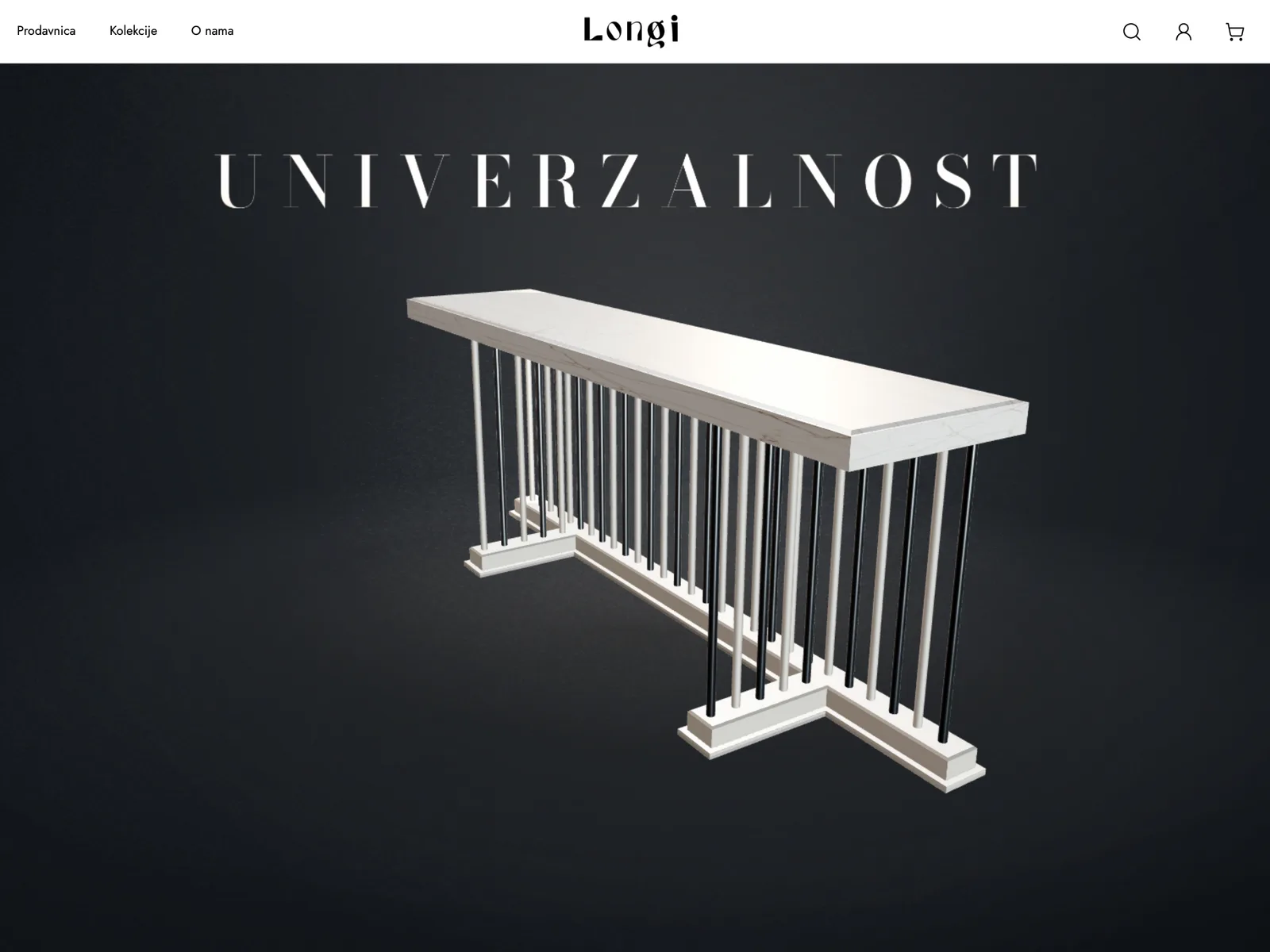
A website and shop for an atelier that selects stone, solid wood and furniture by the grain. On the homepage a single marble slab becomes a kitchen island, a console and a desk as you scroll, and behind the scene waits a shop with a cart and prices in KM.
View case study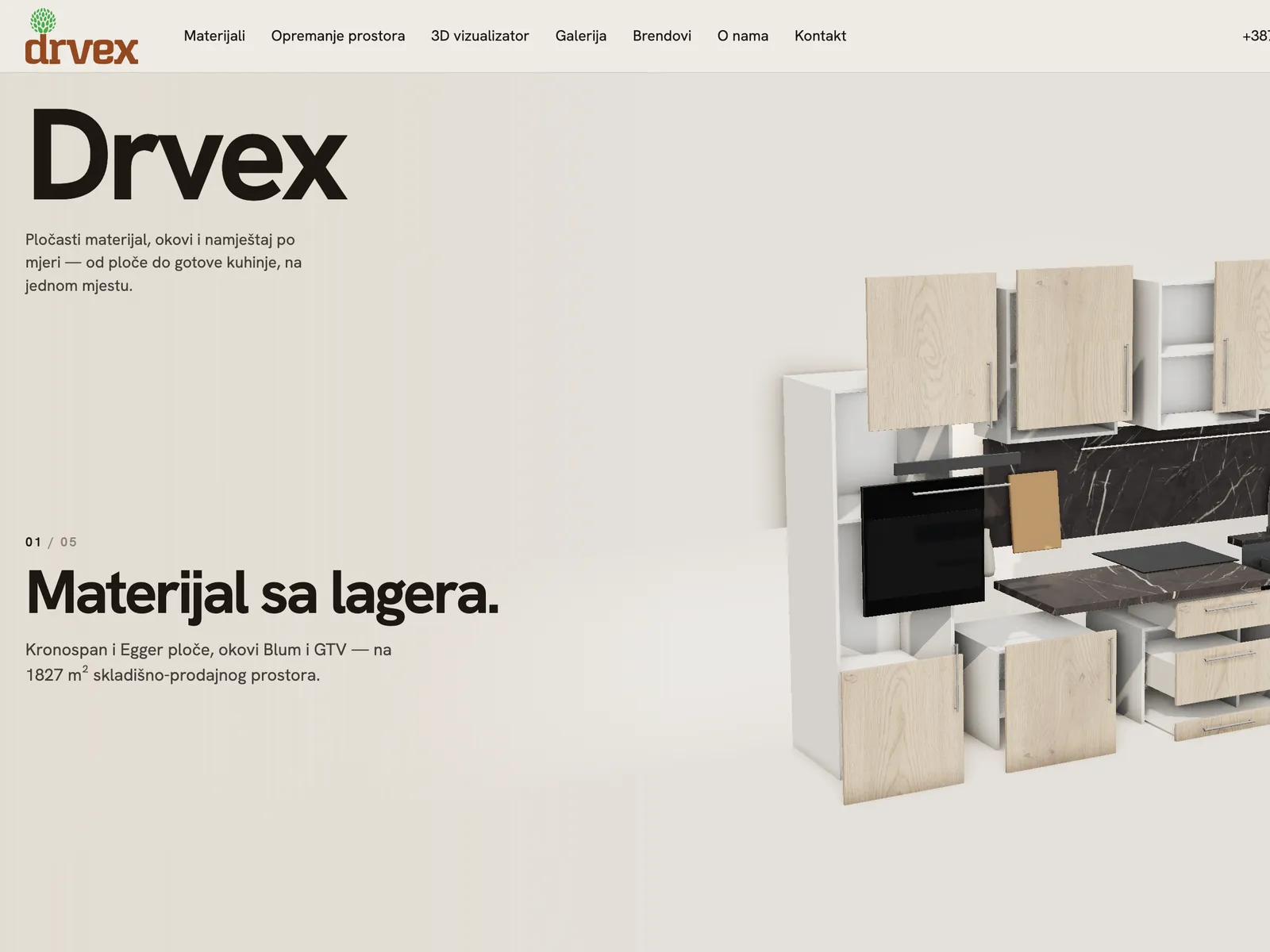
Website for wholesale and retail of board materials and fittings from Laktaši. On the homepage a kitchen assembles as you scroll, and a 3D visualiser shows the fronts in decors from the range. Materials, cut list and interior fit-out in one place.
View case study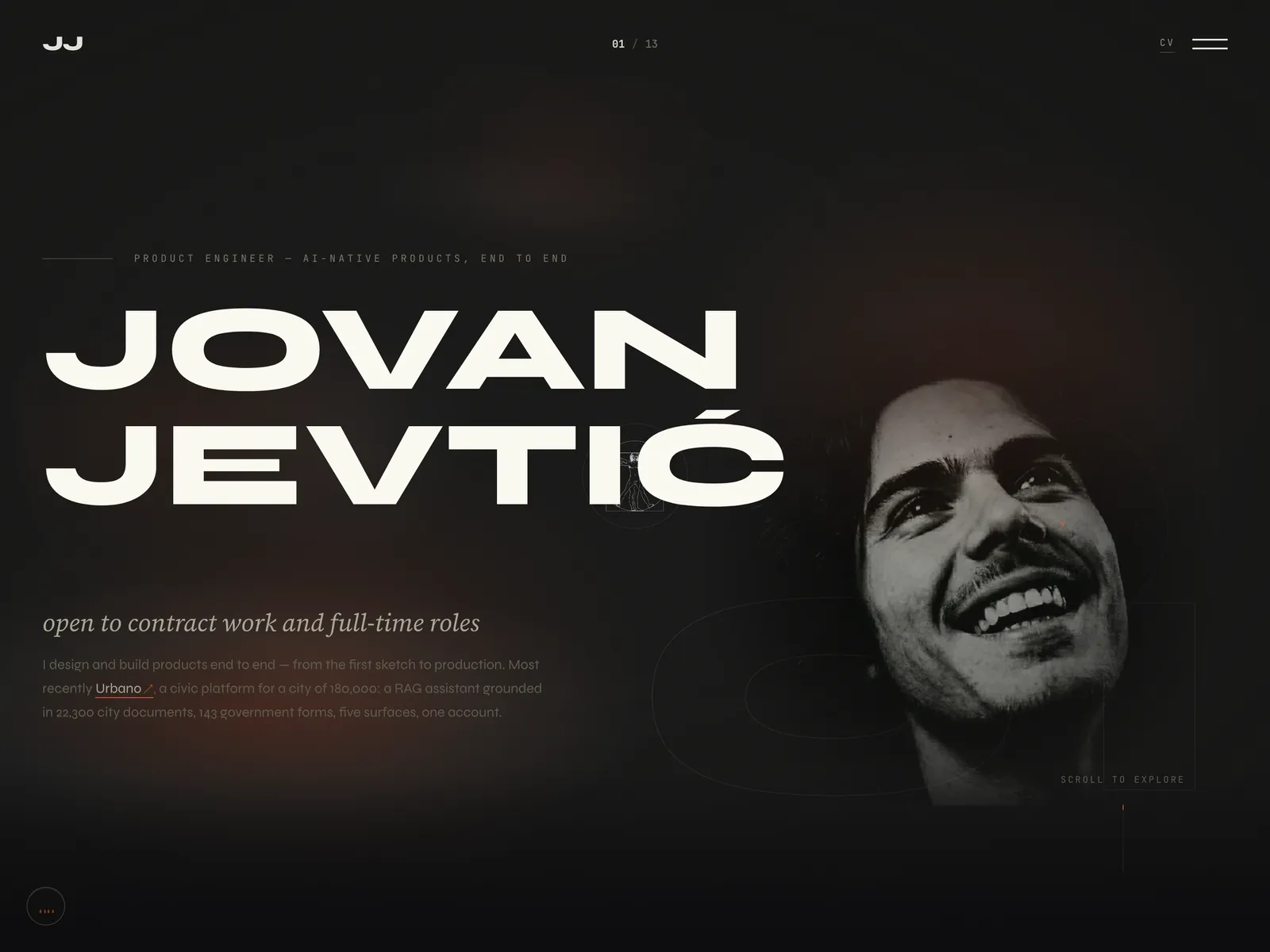
The personal website of Jovan Jevtić, co-founder of blink. You don't scroll through it, you watch it: thirteen chapters and nine WebGL scenes, from the intro to the work.
View case study[ Questions ]
A marketing website starts from €2,800, 3 to 5 weeks. The price of a 3D scene or visualiser depends on the scope, so you get the exact price and timeline in our quote, after the first conversation.
You can. On Longi, a real shop runs beneath the 3D homepage: collections, filters, product pages and a cart with prices in KM and a path to checkout.
When the buyer needs to understand the material, format or space before buying. On Drvex, the customer sees the kitchen in the chosen decors before a single board is cut.
That's why design comes before code. In the prototype we work through the key screens and revise them until we agree on the direction. Development starts only once the direction is confirmed.
Yours. At handover, you receive the code repository, change history, editable design files and documentation. Wherever possible, hosting and service accounts are opened in your name.
We do. After handover we agree on maintenance and monitoring, or a development partnership with a steady monthly pace and a report on what's been done.