Case study / A city's operating system
Urbano
A digital operating system for city life. Issue reports, buildings, planned works, utility outages and neighbourhood initiatives connect in one clear workflow for residents, services and the city of Banja Luka.
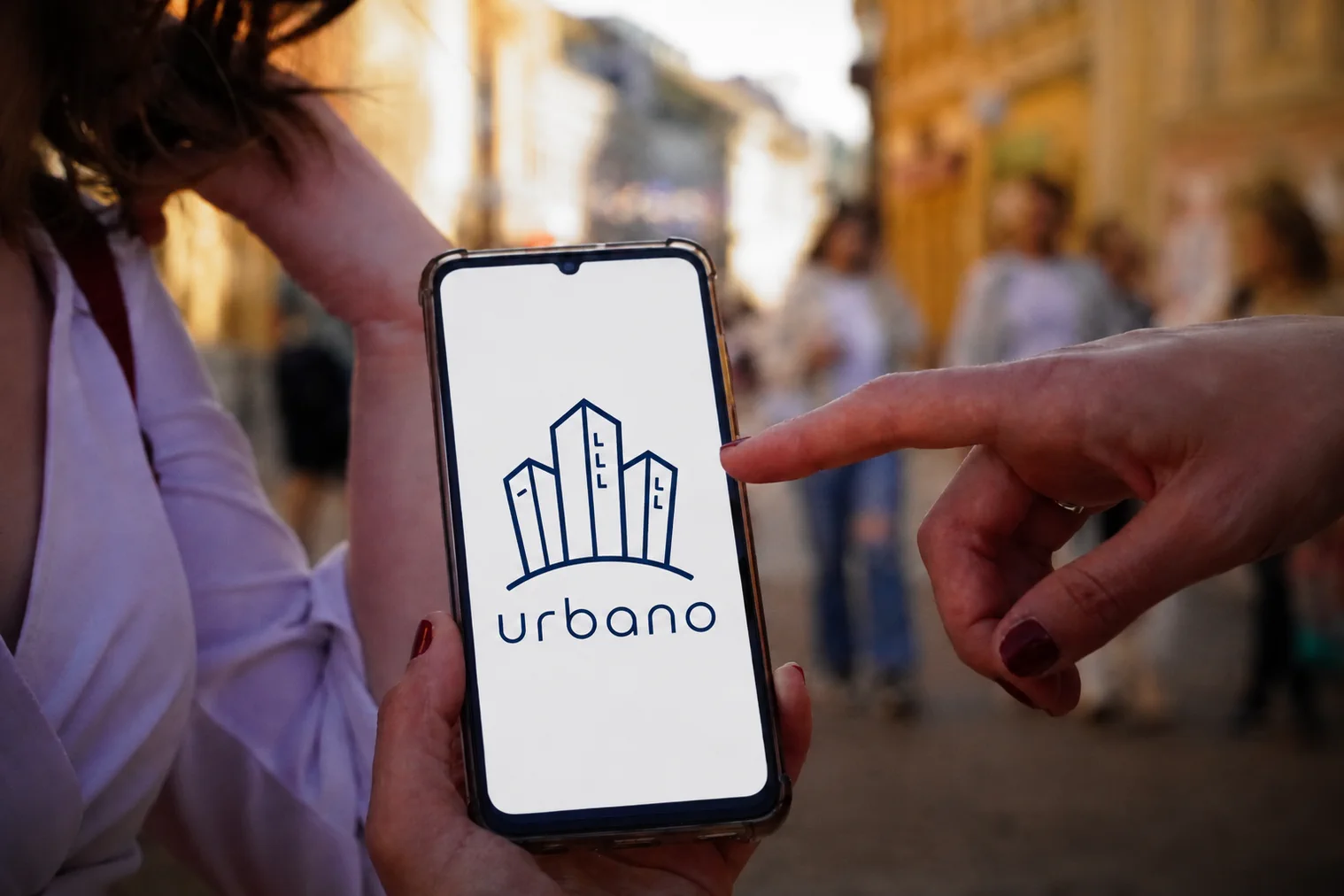
 the city at your fingertips
- Product
- Urbano, a blink venture
- Type
- A city's operating system
- Scope
- Web, mobile app, admin, AI
- City · year
- Banja Luka · 2026
- Live
- urbano.ba ↗
The city works, but in silos.
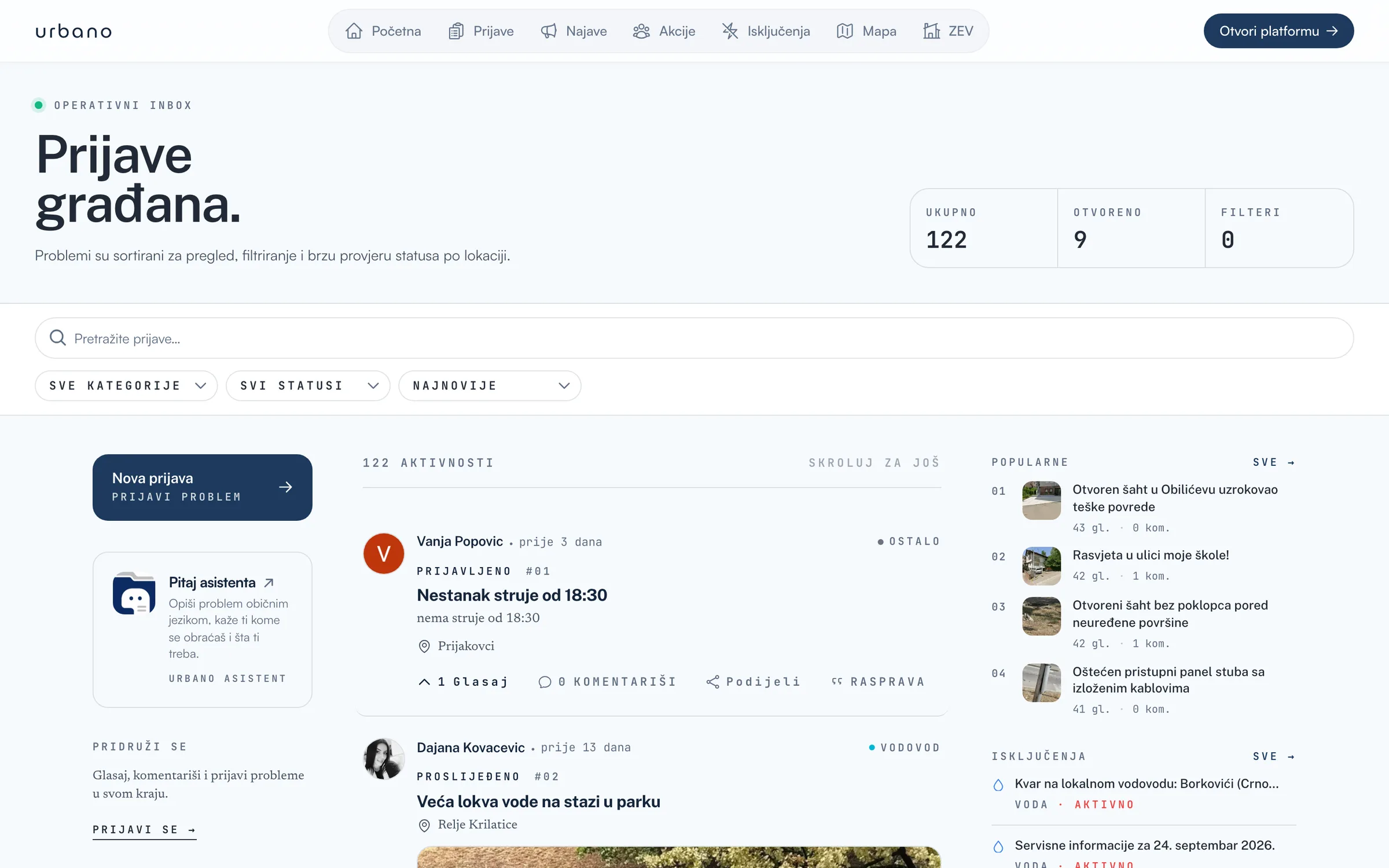
City information is scattered. Bus timetables in one place, water cuts in another, a fault in your street in a third, a neighbourhood plan in a chat that's lost by next week. Residents waste time looking for what should be within reach.
On the other side, city departments struggle to get a clean signal from the ground. A report arrives as a message with no location, no category and no proof, so the work can be neither taken on nor measured. Urbano is built to break that divide: one way into the city, the same standard for every case.
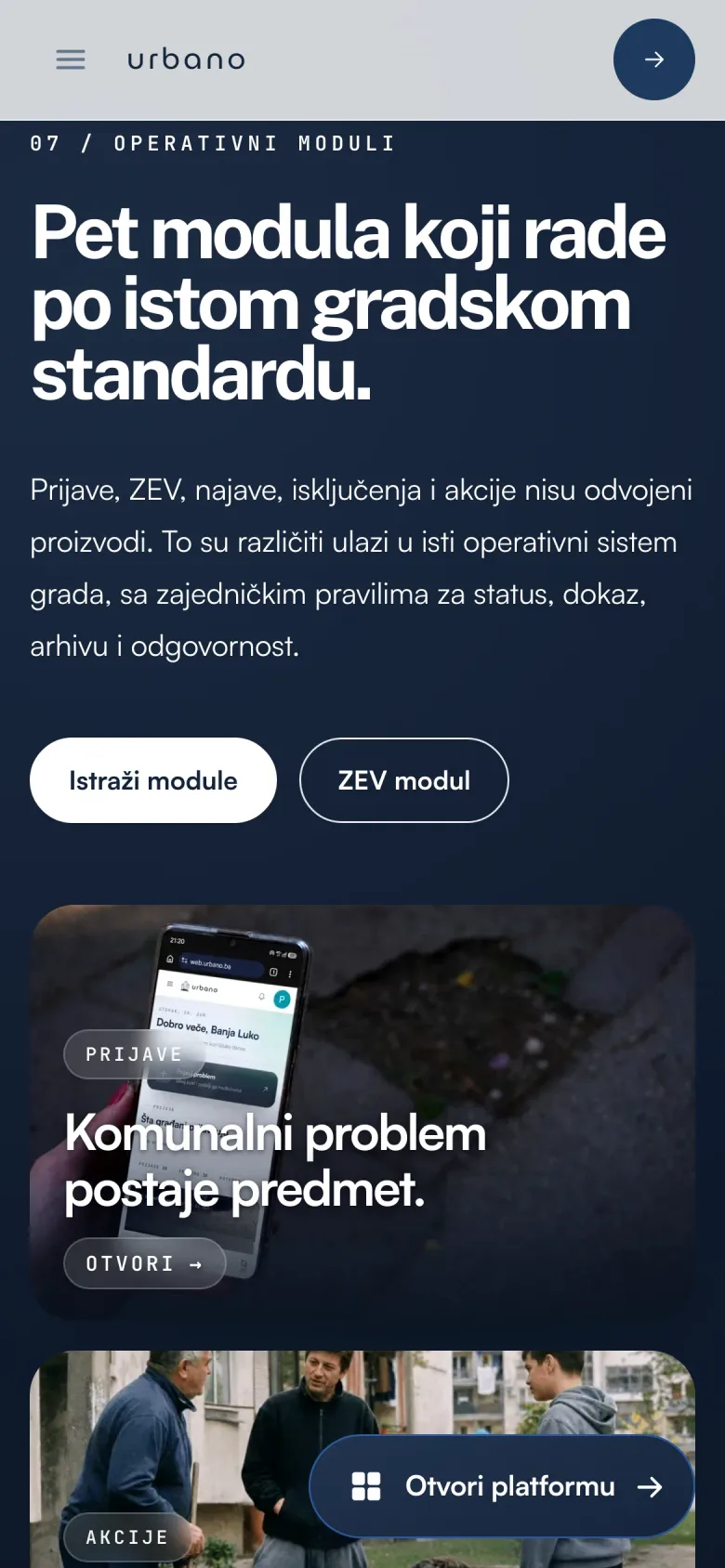
One system, five city flows.Greener · Safer · Better · Cleaner: the city starts here
Operational modules
Five modules, one
city standard.
Reports
field · handlingA local issue becomes a case: photo, location, category, status and proof of handling, from report to response, without getting lost in messages.
ZEV
buildings · managementResidents, building manager, faults, votes, documents and notices in one digital record. The building gets a log of decisions instead of agreements that get lost.
Announcements
projects · proofWorks and city projects get a location, phase, deadline and proof of change. Residents see what's happening in their neighbourhood; the administration gets an archive of before-and-after photos.
Utility outages
departments · signalWater, heating and service outages are shown by address, type of service and duration, with the source of the announcement and a status if plans change.
Actions
neighbourhood · coordinationNeighbours and volunteers get a channel for coordinating on the ground: location, goal, tasks, sign-ups and proof of results. An agreement becomes a public record.
Anatomy of a case
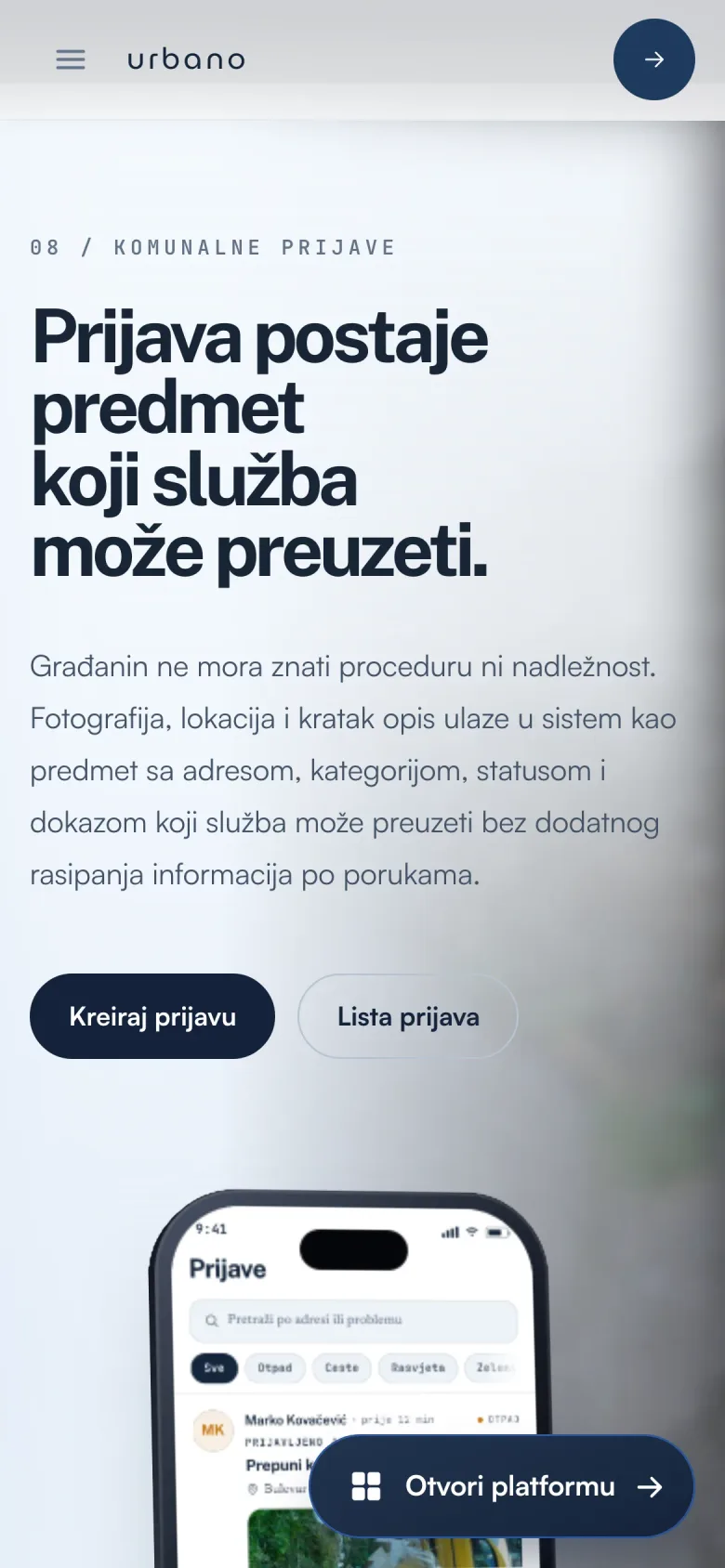
A report becomes a case that a department takes on.
Residents don't need to know the procedure or who is responsible. A photo, a location and a short description enter the system as a case with an address, category, status and proof. Every case, whichever module it starts in, carries the same basis: location, responsible authority, deadline, status and proof.
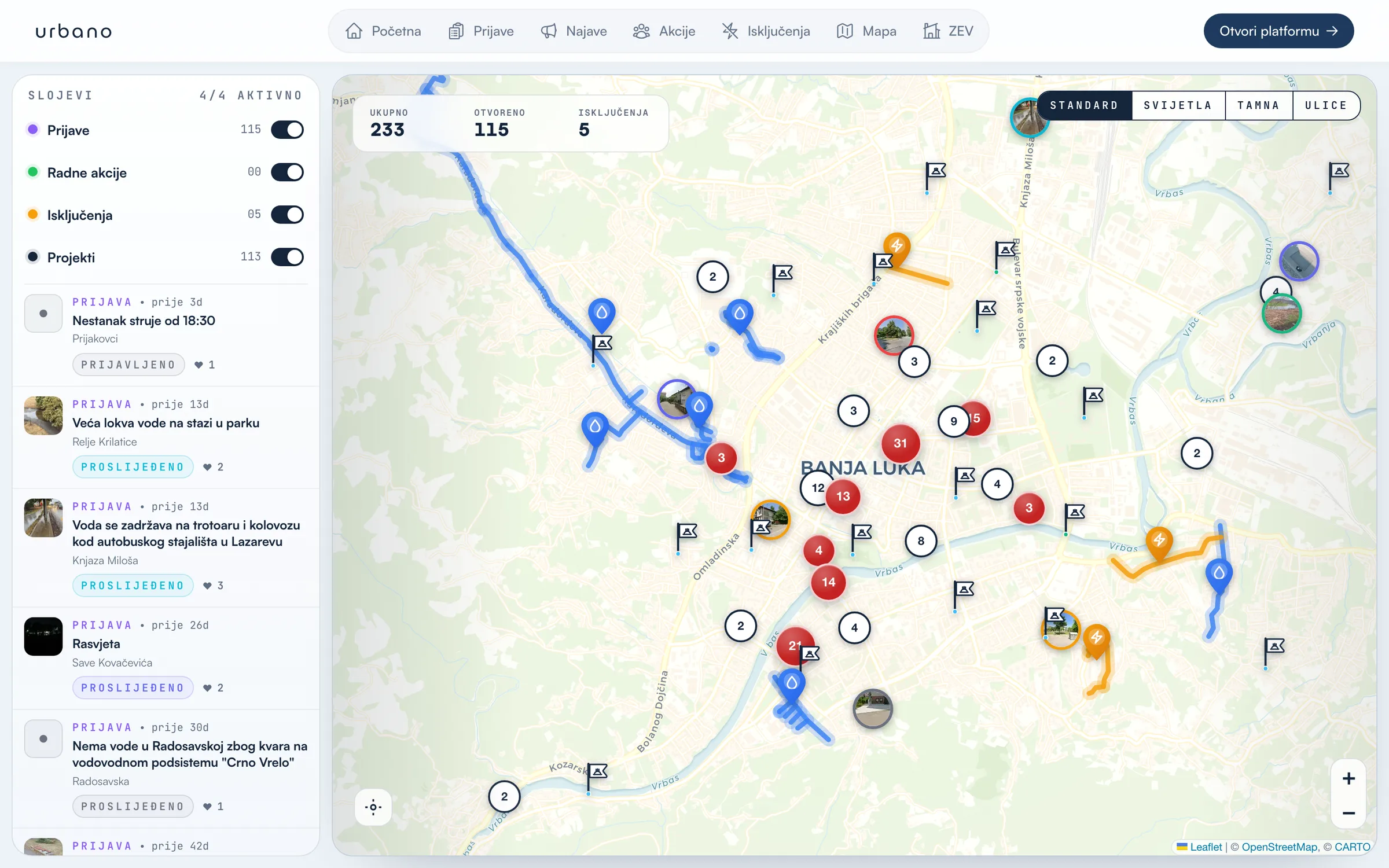
The map as a command layer
Space becomes an operational overview.
When reports, works, outages and actions are tied to a location, the city no longer looks at a list of records but at patterns by street, neighbourhood and zone: where problems recur, what is late and what needs planning.
Public layer
Report status, works in your street, outages by address and neighbourhood actions, visible without an account and without searching ten sources.
Command layer
Open cases, priorities, deadlines, responsible staff and proof of completion: the same flow residents see, but with the tools to act on it.
On screen and in your pocket
The same city, at your fingertips.
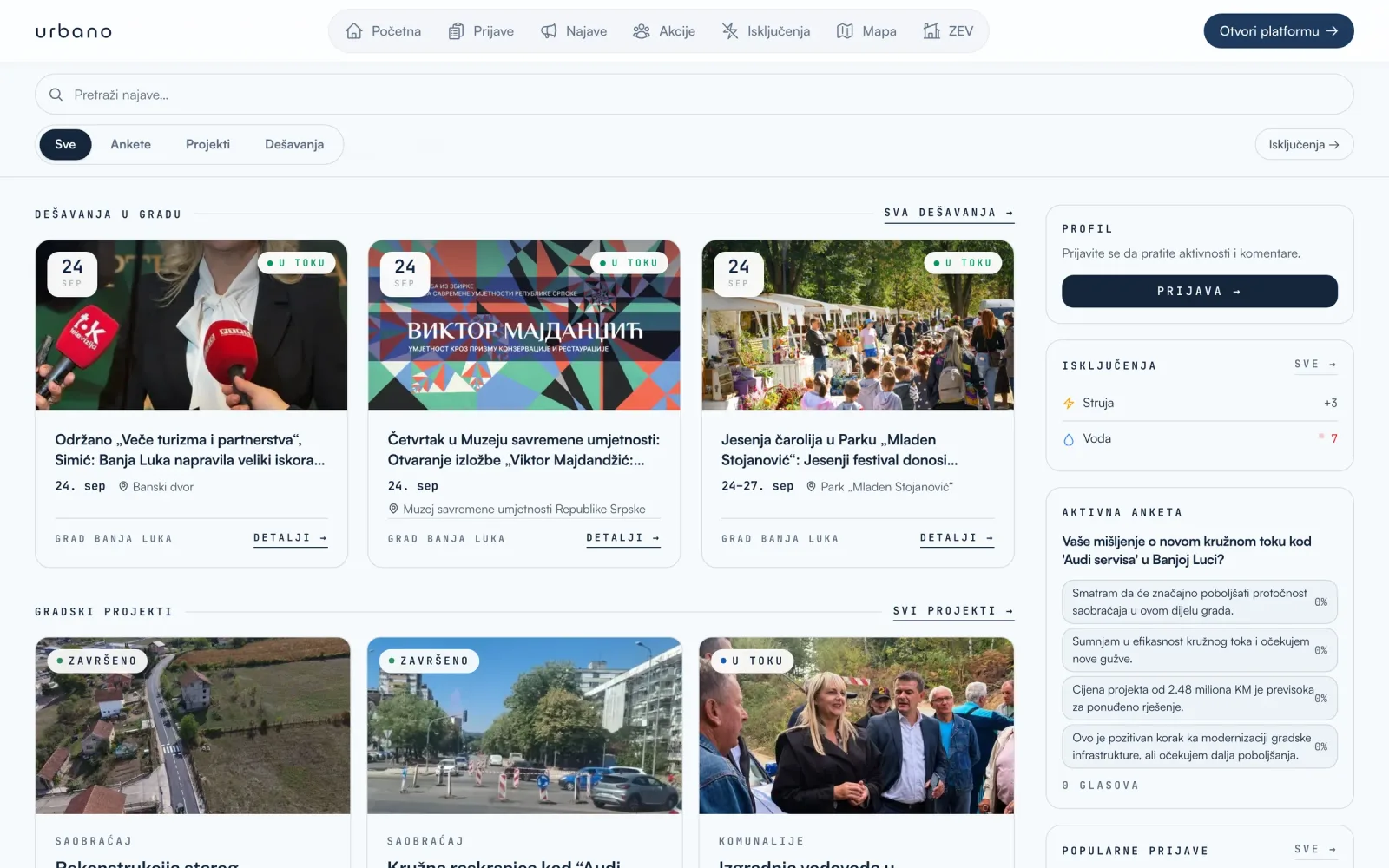
Announcements, polls and city projects are listed chronologically, with location, phase and responsible department. The same system works on mobile: a report goes in with a photo and location, and all five modules are one tap away.
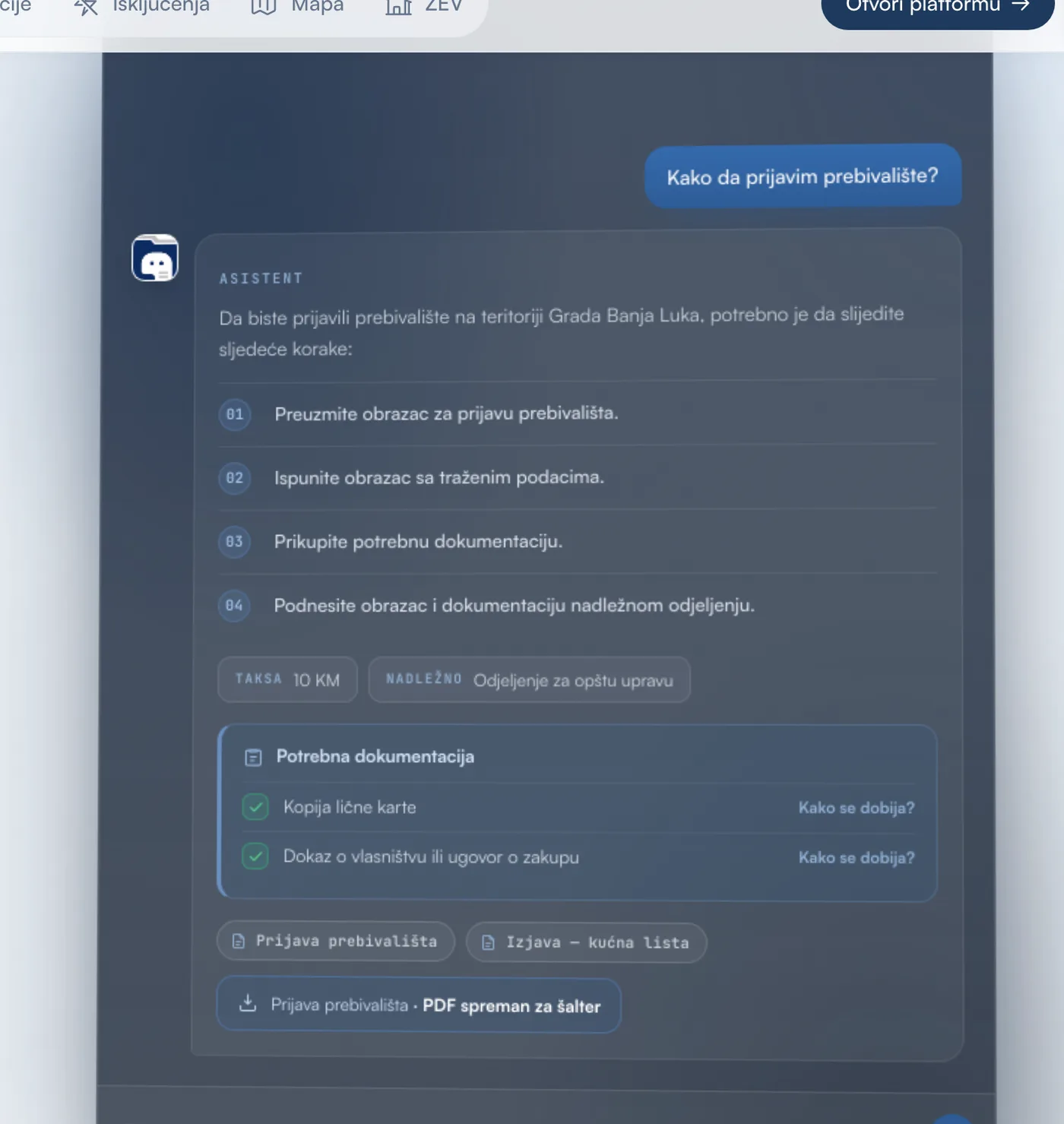
The assistant answers from city documents and procedures, step by step, with a list of the paperwork you need.
Smart processing
AI prepares the decision, it doesn't make it.
Urbano doesn't hand the administration a raw stream of messages. The platform fills in unclear entries, links duplicates and turns several photos or comments into one tidy case. Category, address, deadline and possible duplicate are prepared before anyone decides by hand.
But the final decision is made by a person. AI helps with processing; it does not replace the responsible person. The administrator, coordinator or relevant department confirms the case and keeps a full audit trail.
Automatic suggestion
Category, address, priority and possible duplicates are prepared in seconds, before a human looks at them.
Administrative control
The authorised department confirms or changes the suggestion and takes on the case, with a full audit trail of every change.
Announcements · from plan to proof
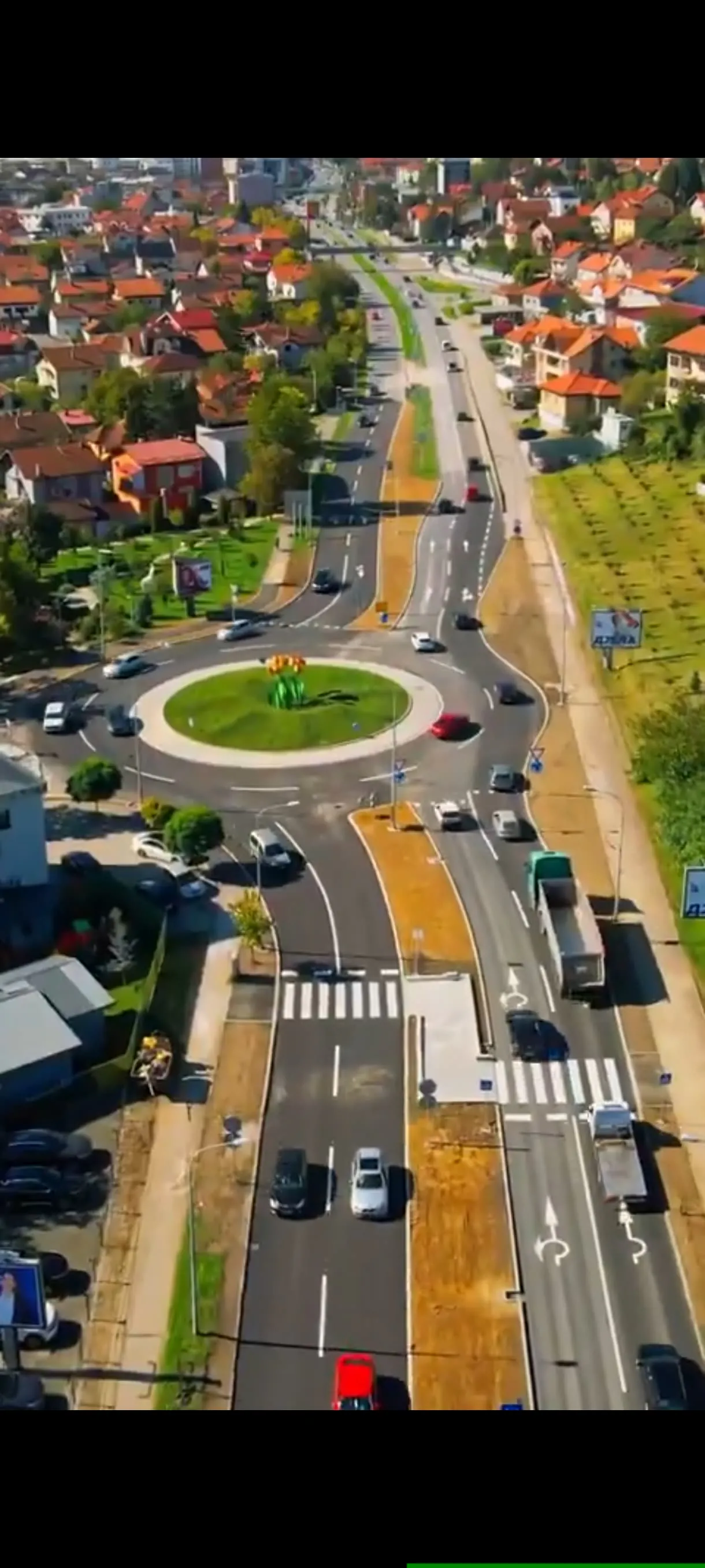
A city project you can verify.
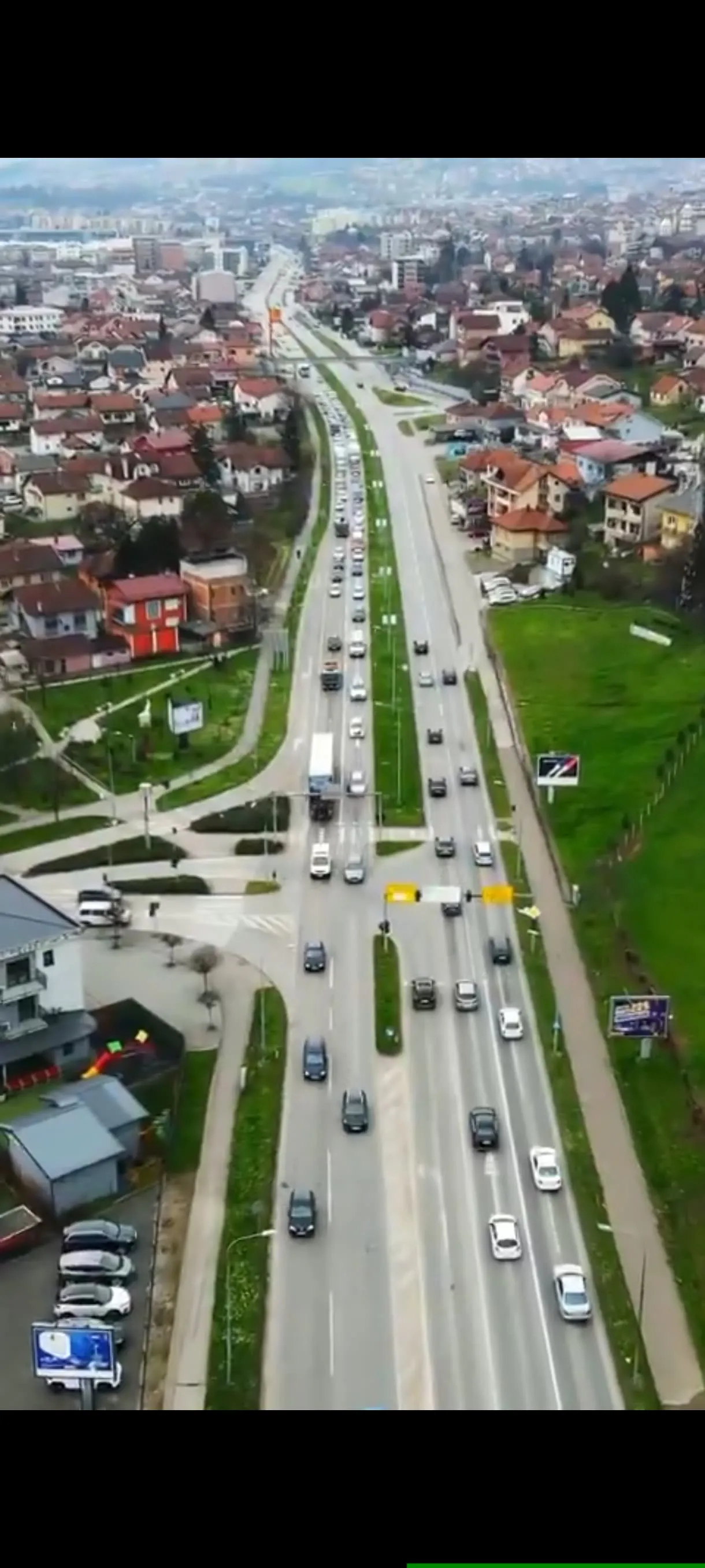
Each announcement gets a location, phase, deadline and responsible department. When the works are finished, the proof is not a report but a before-and-after photo, archived and publicly searchable. Drag the slider.
 ago
after
ago
after
Public operations overview
Statistics that show the system's workload.
The public overview shows how many cases are open, what is in progress, what is resolved and where the community is taking part. It isn't decorative statistics but a basis for oversight, trust and better operational decisions.
Ready for a pilot
A Banja Luka pilot in four weeks.
The pilot can start quickly, with no heavy integrations at first. It begins with the public map and admin dashboard, then gradually connects to the city's internal records and service departments.
Environment setup
Categories, zones, admin roles and a public map without heavy integration.
Operational dashboard
An overview of reports, statuses, priorities and responses for departments.
Modules and the public feed
Announcements, outages, owners' associations and volunteer actions included in the system.
Pilot report
Metrics, recommendations and a plan for institutional integration.

Behind the platform
Urbano is built by blink.
Urbano is a venture of the blink studio, a local team building for the real processes of Banja Luka: a public map, AI help with processing, an admin dashboard, modules for departments and reports for the administration. The city's context isn't an assumption, it's the starting point.
A city you can read.
See Urbano live: the map, reports, announcements and statuses in the current prototype, or go back to other blink ventures.